On this page
Our top picksWhy do cats scratch the sofa?Step 1: cover the spot they already useStep 2: put a better scratcher right next to itWhat if my cat also climbs the curtains?Step 3: make the new habit stickFAQSourcesOur top picks
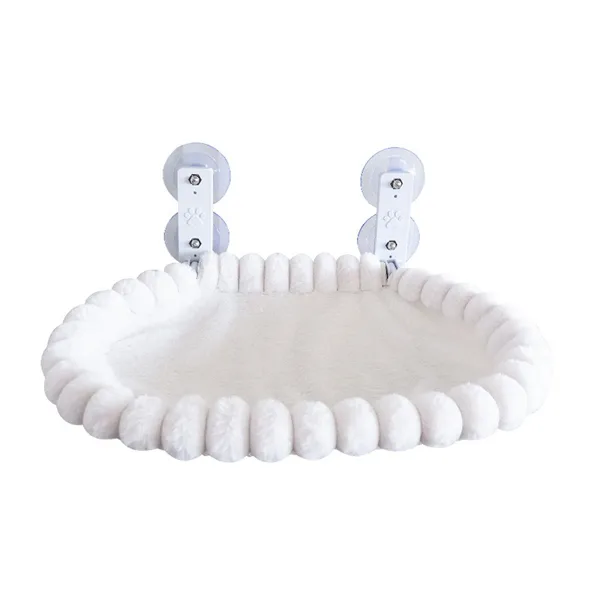
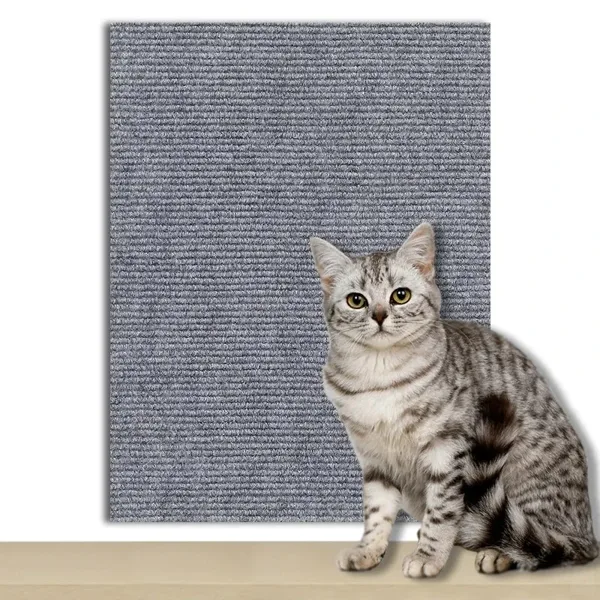 Best for: Protecting the exact spot your cat already scratches
Self-adhesive scratch mat
60 × 200 cm roll, cut to fit, self-adhesiveCheck price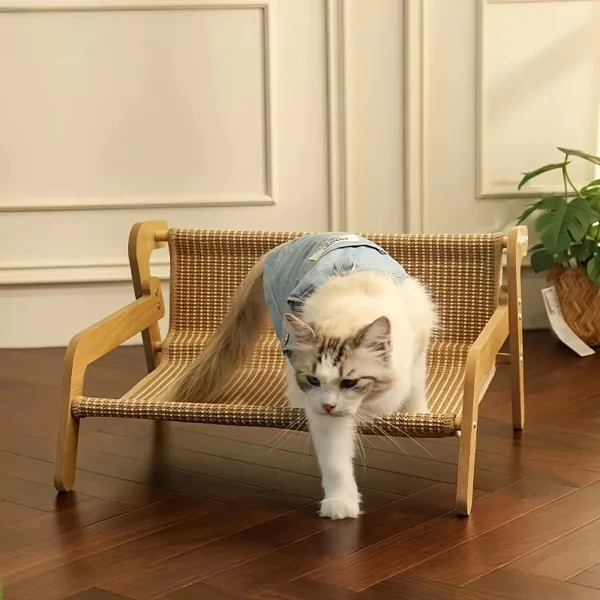 Best for: Cats that scratch, then want a nap
Sisal cat lounge
Woven sisal seat, raised wooden frame, ≈53.5 × 46 × 28 cmCheck price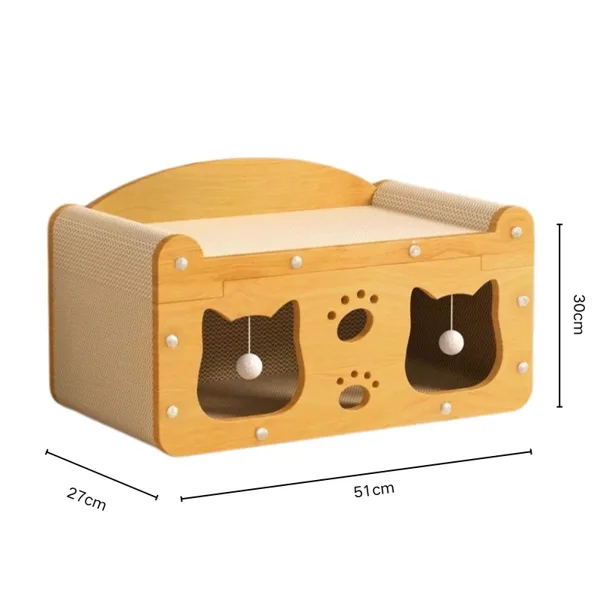 Best for: Small spaces: scratch on top, hide inside
Cat scratcher house
≈51 × 27 × 30 cm, scratch pad lounge + hideawayCheck price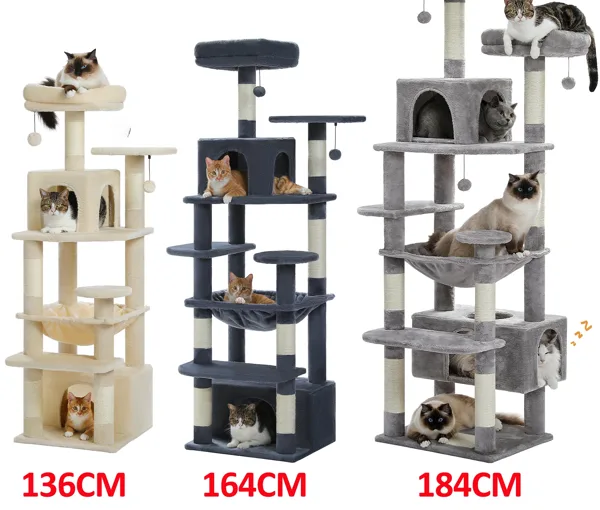 Best for: Climbers who also go for curtains
Multi-level cat tree
Sisal posts, condos and perches; 136, 164 or 184 cm tallCheck priceCompare them side by side
| Photo | Product · best for | Key specs | The catch |
|---|---|---|---|
| Self-adhesive scratch mat Protecting the exact spot your cat already scratches | 60 × 200 cm roll, cut to fit, self-adhesive | Test the adhesive on a hidden spot first, especially on leather |
| Sisal cat lounge Cats that scratch, then want a nap | Woven sisal seat, raised wooden frame, ≈53.5 × 46 × 28 cm | New sisal sheds a few fibres at first |
| Cat scratcher house Small spaces: scratch on top, hide inside | ≈51 × 27 × 30 cm, scratch pad lounge + hideaway | Compact, and the listing photos look like renders |
| Multi-level cat tree Climbers who also go for curtains | Sisal posts, condos and perches; 136, 164 or 184 cm tall | Rated for small cats, about 9 to 16 lb |
Why do cats scratch the sofa?
Scratching is normal cat behaviour, not bad manners: it keeps claws in shape, stretches the body and leaves scent marks from glands in the paws.
Scent is why the sofa arm gets picked. It's where you sit, so it smells of the household, and cats mark the places that matter. A post in the spare room can't compete with that. A scratcher 30 cm from the arm can.
Scolding doesn't remove the urge. It just teaches the cat to scratch when you're out. The ASPCA and vets advise redirecting instead, and that's what the steps below do.
Step 1: cover the spot they already use
Make the sofa less satisfying to scratch, without making it scary.
Cut the mat to the size of the damage (the roll is 60 × 200 cm, so one roll covers both arms of most sofas) and press it on. Two jobs done: the fabric is protected, and your cat keeps the spot, just with a better surface on it.
Self-adhesive scratch mat
This is the 'cover the spot' step. Cut a piece to the size of the damaged area and stick it over the arm or corner your cat already uses, so they keep their favourite spot but scratch the mat instead of the fabric.
Step 2: put a better scratcher right next to it
Place the new scratcher beside the sofa, not across the room, and pick one that matches how your cat scratches.
Watch your cat for a day first. Stretching up the side of the couch means a vertical scratcher: it needs to be tall and solid. Clawing the seat or a rug means a horizontal one: flat or lounge-style. Plenty of cats do both.
Wobble kills scratchers. If it tips or slides when your cat pulls, they'll go back to the sofa, which never moves.
Sisal cat lounge
A good 'right next to the sofa' option for cats who scratch horizontally or like to stretch out after. Your cat can scratch the woven seat and then nap on it, which helps the new spot become theirs.
Cat scratcher house
Small enough to sit right beside the sofa without taking over the room. It gives a flat scratching surface on top and a hiding spot inside, which suits cats who like both.
What if my cat also climbs the curtains?
Climbers usually need height as well as a scratching surface, and a cat tree with sisal posts gives both.
Put it by a window. A climber with a view up top has a reason to stay there instead of on the curtain rail.
Multi-level cat tree
For cats who climb as well as scratch. The sisal posts give vertical scratching, and the height gives a curtain-climber a better place to be. Place it by a window if you can.
Step 3: make the new habit stick
Reward the scratcher, not the sofa, and give it a couple of weeks before moving anything.
Make the new spot rewarding: a pinch of catnip or silvervine on it, a wand toy dragged across it, a treat when your cat uses it. Trim claws every week or two in the meantime; the ASPCA suggests weekly.
When your cat has used the new scratcher for a couple of weeks and ignored the sofa, peel the mat off. If they drift back, the scratcher is too far away or not stable enough. Move it closer before buying anything else.
Frequently asked questions
Do scratch mats damage sofa fabric?
The adhesive can mark delicate fabric or leather, so test a small piece on a hidden area first. On leather, a mat held with removable tape may be safer than the built-in adhesive.
Is declawing a solution?
No. Declawing removes the last bone of each toe, is banned or restricted in many countries, and vets widely advise against it. Redirecting the scratching works without harming your cat.
Vertical or horizontal scratcher?
Copy what your cat already does. If they scratch the side of the sofa, go vertical and tall; if they scratch rugs or cushions, go horizontal. A lounge-style scratcher covers both for many cats.
How long does it take a cat to switch to a scratcher?
Often a few days to a couple of weeks if the scratcher is right next to the old spot and sturdy. Move it gradually to where you want it only after the habit is set.
Sources
- Scratching Behavior in Cats, ASPCA: Teach cats where to scratch; stable, tall posts near where they sleep; make the post appealing and trim nails.
- Why cats scratch furniture (and how to stop it), VCA Animal Hospitals: Veterinary explanation of why cats scratch and how to redirect it.
- AVMA revises declawing policy, American Veterinary Medical Association: The AVMA discourages elective declawing and supports non-surgical alternatives.
How we picked these
We read each product's full listing, size charts and spec images, chose products with strong recent sales and seller ratings, and wrote down the catch for each. We haven't tested them ourselves. Our research method.