On this page
Our top picksDo dogs need boots in winter?Raincoat or winter coat?Keeping pets warm indoorsHow can I help outdoor and stray cats in winter?FAQSourcesOur top picks
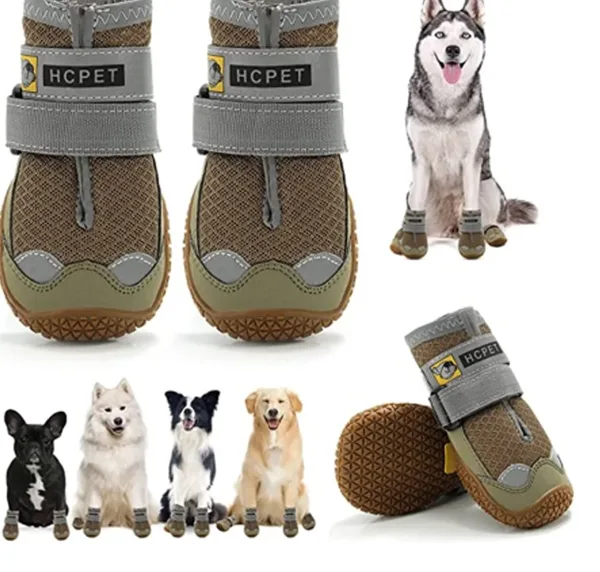 Best for: Snow, salt and icy pavements
Non-slip dog boots
Set of 4, rubber sole, reflective strap, 8 sizesCheck price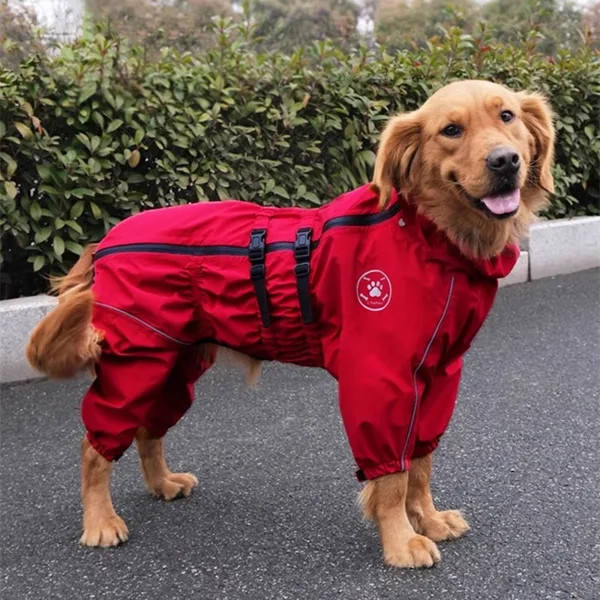 Best for: Muddy, wet walks
Full-body dog raincoat
Full-body suit with 4 leg sleeves, leash opening, 12 sizesCheck price Best for: Cats who burrow under blankets
Cat cave bed
Fleece-lined tunnel bed, flap opens or closesCheck price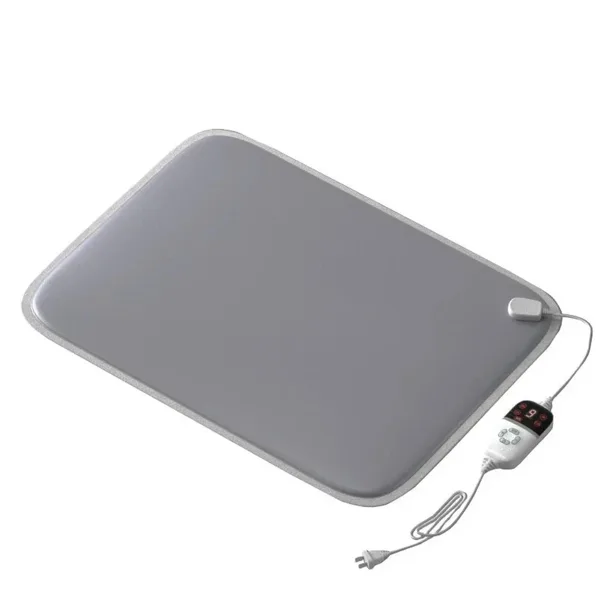 Best for: Older pets on cold floors
Heated pet pad
9 heat settings, covered cord, wipe-cleanCheck price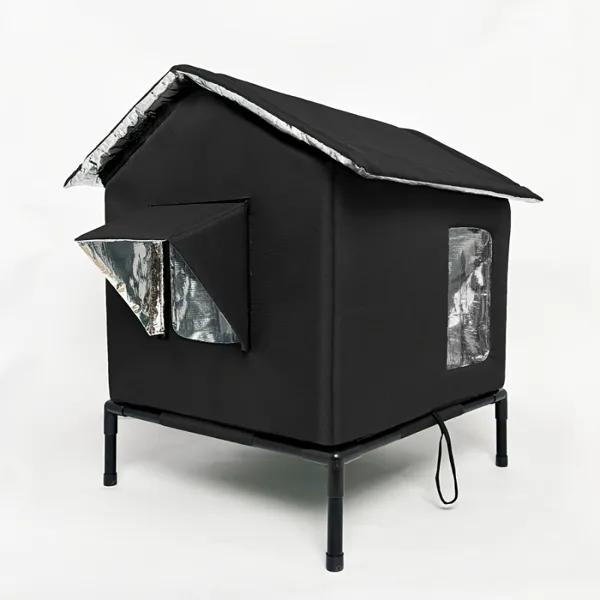 Best for: Outdoor and stray cats
Outdoor cat shelter
Raised on legs, flap doors, foil-lined wallsCheck priceCompare them side by side
| Photo | Product · best for | Key specs | The catch |
|---|---|---|---|
| Non-slip dog boots Snow, salt and icy pavements | Set of 4, rubber sole, reflective strap, 8 sizes | Size by paw width; expect a few practice walks |
| Full-body dog raincoat Muddy, wet walks | Full-body suit with 4 leg sleeves, leash opening, 12 sizes | Measure back length, neck and chest |
| Cat cave bed Cats who burrow under blankets | Fleece-lined tunnel bed, flap opens or closes | No measurements in the photos; check the size chart |
| Heated pet pad Older pets on cold floors | 9 heat settings, covered cord, wipe-clean | Electric: check the plug and keep chewers away from the cord |
| Outdoor cat shelter Outdoor and stray cats | Raised on legs, flap doors, foil-lined walls | Not heated; add straw or bedding |
Do dogs need boots in winter?
Not all, but boots help dogs who walk on salted pavements, ice or deep snow, and dogs whose paws crack or ball up with snow.
Road salt and de-icers can irritate paw pads, and snow can pack between toes. If your dog stops, lifts paws or licks them a lot after winter walks, boots, or at least a paw rinse afterwards, is worth trying.
After any winter walk, wipe paws, legs and belly to remove salt and de-icers, as vets advise. Measure the widest part of the paw while your dog is standing (weight spreads the paw), and let them get used to boots indoors with treats before the first real walk.
Non-slip dog boots
Protects paws from salt, de-icers and ice on winter walks. Measure the paw while your dog is standing, and practise indoors before the first walk.
Raincoat or winter coat?
For wet, muddy weather, a full-body raincoat keeps legs and belly clean; thin-coated and small dogs may also need warmth underneath.
Full-body suits take some getting used to, so start with short wears at home.
Full-body dog raincoat
Keeps legs and belly dry and clean on wet walks, which is where most winter mud ends up. Sizing needs three measurements, not just weight.
Keeping pets warm indoors
Get beds off cold floors and give pets somewhere enclosed to curl up.
Covered beds trap body heat, and cats find them on their own. For older pets with stiff joints, a heated pad under the usual bed helps on cold nights: lowest useful setting, and room to move off it.
Cat cave bed
A covered bed holds body heat, which many cats seek out in winter. Good for cats who already burrow under blankets.
Heated pet pad
For older pets with stiff joints on cold floors. Use a low setting under their usual bed and make sure they can move off it.
How can I help outdoor and stray cats in winter?
A raised, draught-proof shelter with dry bedding is one of the most useful things you can give a community cat.
Use straw rather than blankets or towels inside: straw stays dry and lets cats burrow, while fabric soaks up moisture and gets cold. Place the shelter out of the wind with the doors facing away from it.
Outdoor cat shelter
A raised, draught-proof shelter for outdoor or community cats. Fill it with straw, not blankets, and face the doors away from the wind.
Frequently asked questions
Is a heated pet pad safe?
Used as directed, generally yes: choose a low setting, keep the cord away from chewers, check the pad and cord regularly, and make sure your pet can move off it if they get warm.
Why straw instead of blankets in a cat shelter?
Blankets and towels absorb moisture and get cold and damp; straw stays dry and lets cats burrow in for warmth.
How do I measure my dog for a coat?
Measure back length from the base of the neck to the base of the tail, plus neck and widest chest girth, and compare all three to the size chart.
Sources
- Straw, not hay, for outdoor cat shelters, Alley Cat Allies: Straw repels moisture and lets cats burrow; hay and blankets absorb moisture.
- Cold weather animal safety, American Veterinary Medical Association: Wipe paws after walks to remove salt and de-icers; boots help if they fit; small, old and short-coated pets feel the cold most.
How we picked these
We read each product's full listing, size charts and spec images, chose products with strong recent sales and seller ratings, and wrote down the catch for each. We haven't tested them ourselves. Our research method.